
🏠 As home sales slide and economic uncertainty grows, TD Bank predicts a rocky road for Canada’s economy.
Even with some upbeat signals in the markets, TD Bank is sounding the alarm 🚨: Canada’s economy may be heading into a recession—and fast. In a recent update, the bank’s chief economist, Beata Caranci, pointed to a mix of slowing home sales, shrinking job numbers, and trade uncertainty as signs of real trouble ahead.
TD’s outlook? Rough waters through the summer. The bank expects the economy to shrink 📉 in both the second and third quarters of 2025, with GDP growth for the year now estimated at just 0.8%—a big drop from earlier projections.
“We’re looking at a deeper slowdown than we initially thought,” Caranci explained.
👷♂️ Private Sector Squeeze and Job Cuts
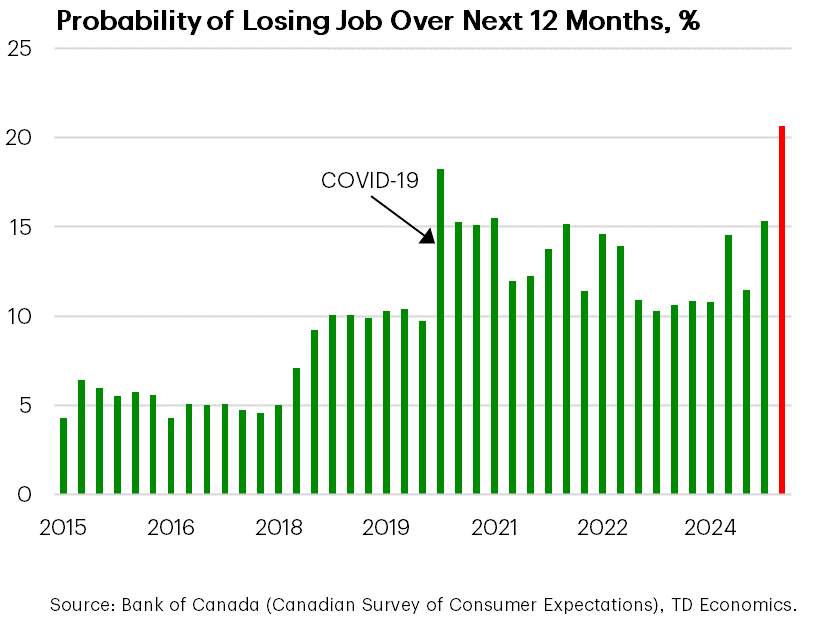
More than 70,000 private sector jobs have already vanished in just two months—and TD believes up to 100,000 more could disappear by fall. That’s a big hit to the labour market and could push the national unemployment rate above April’s 6.9% 📊.
Ontario is feeling it even more, with joblessness nearing 8% in the province. 😟
🏡 Housing No Longer Pulling Its Weight
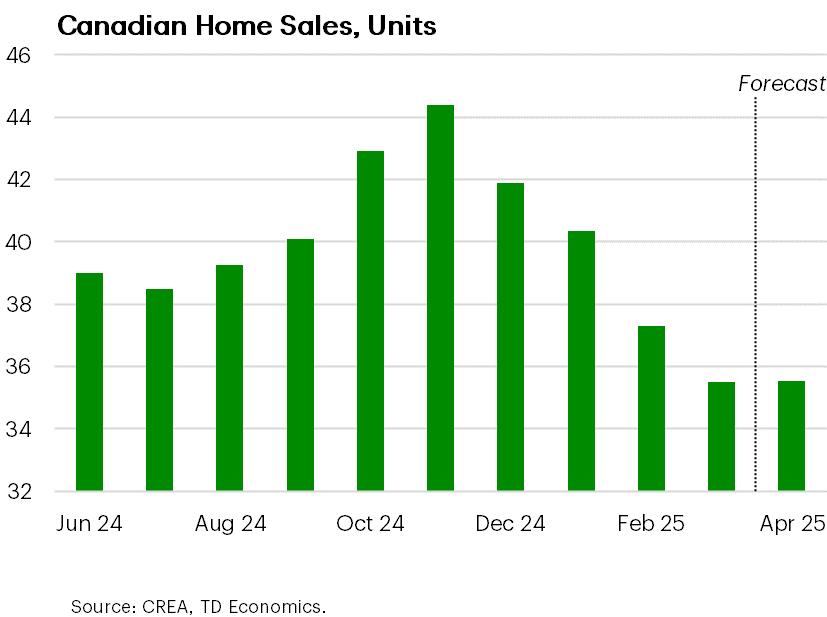
Canada’s housing market isn’t bouncing back like it used to. Despite the Bank of Canada cutting rates by 100 basis points 🏦, home sales have dropped 20% since late 2024.
Usually, lower rates would boost demand—but this time, buyers aren’t feeling confident. With job security on shaky ground, many are holding off on major decisions until things stabilize. 😬
🌐 Tariffs, Trade & Uncertainty
Adding to the pressure: global trade tension. Canadian goods are currently facing tariffs averaging 12%, especially on items like steel and aluminum 🛠️. While there’s hope that rate could fall to 5% by year-end, businesses are feeling the squeeze now.
“This isn’t your usual downturn,” said Caranci. “It’s being driven by trade disruption and uncertainty—not just interest rates.”
In short? Even lower borrowing costs might not help if people don’t feel secure enough to spend or invest. 💡
📉 Recession or Stagflation?
When asked what’s more likely—recession or stagflation (high inflation + low growth)—Caranci says both are possible. It really comes down to how quickly trade disputes get sorted out and whether governments step in effectively.
TD sees just two more rate cuts ahead in Canada, bringing the policy rate to 2.25%. In the U.S., the Fed might cut rates too—but only if major trade deals get resolved. ⚖️
What This Means for You 🔍
Whether you’re a homeowner, investor, or just trying to stay ahead of the curve, the message is clear: uncertainty is the theme of the year. 😕 With slower growth, job losses, and a cooling housing market, now’s a good time to review your financial game plan.
Let’s talk strategy. Whether you’re renewing, buying, or just want a clearer picture of where things are going, Go Approval is here to help you plan with confidence.