
Canada’s unemployment rate experienced a slight uptick last month, reaching 6.6% as the economy continues its gradual rebalancing. However, despite this modest increase, many underlying factors suggest that brighter days are ahead for Canadian workers and the broader economy.
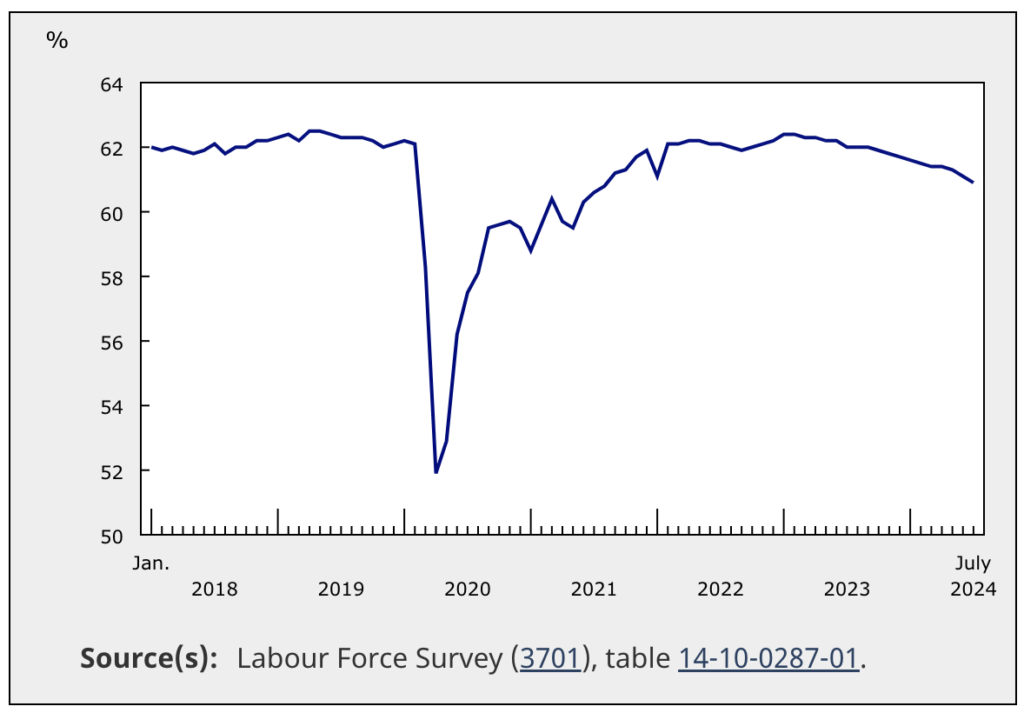
According to the latest data from Statistics Canada, the labour market added a net 22,100 jobs in August. While slightly below economists’ expectations, this increase highlights the resilience of the Canadian workforce, with the job market continuing to generate new opportunities despite global uncertainties.
The highest unemployment rates among Canada’s largest census metropolitan areas are:
Windsor: 9.2 per cent
Edmonton: 8.6 per cent
Toronto: 8 per cent
Oshawa: 7.8 per cent
Calgary / St. Catharines-Niagara (tie): 7.5 per cent

Full-time employment saw a temporary dip, decreasing by 43,600 positions. But the story isn’t all about losses — the part-time job sector experienced a robust surge, adding 65,700 new positions. This shift could signal more flexibility for Canadians looking for varied work options as they navigate the evolving job market. As the economy adjusts, this balancing act between full- and part-time employment provides an opportunity for workers to find new and diverse roles, allowing many to prioritize work-life balance.

While the unemployment rate has trended upward since April of last year, economists remain optimistic about what lies ahead. These shifts in the labour market are setting the stage for further economic stabilization. It’s important to remember that the unemployment rate is still well below historical highs seen during the COVID-19 pandemic, and employment trends are now aligning with a more sustainable growth trajectory.
Royal Bank of Canada (RBC) assistant chief economist Nathan Janzen remains confident about future prospects, noting that the younger workforce is experiencing some temporary challenges but will likely rebound as the economy strengthens. This period of adjustment may serve as a key catalyst for longer-term economic resilience, with younger workers ultimately poised to benefit from upcoming opportunities in emerging industries.
Another positive indicator is the steady deceleration of wage growth. While wages grew by 5.0% in August, slightly lower than the 5.2% seen in July, this gradual easing will support the Bank of Canada’s ongoing efforts to bring inflation into check. A more stable wage environment can also lead to more predictable economic growth in the months ahead.
The Bank of Canada recently cut its benchmark rate by 25 basis points, a strategic move that will provide further support to the economy. As the labour market and GDP per capita continue to align with this more measured pace of growth, experts like Janzen believe that the central bank is likely to reduce interest rates again in the near future. “The latest data underscores the Bank’s commitment to fostering a stable and thriving economic environment, and we expect another rate cut next month as part of this ongoing strategy,” Janzen said.
For Canadians, this gradual reduction in interest rates signals a future filled with opportunities, especially for homebuyers. As mortgage rates decline, Canadians will be well-positioned to take advantage of more affordable borrowing conditions, allowing them to invest in homeownership and secure their financial futures.
In conclusion, while the unemployment rate may have seen a slight increase, the overall outlook for the Canadian economy remains bright. With continued government support, rate reductions, and steady job creation, Canadians can look forward to a prosperous path ahead.