
- U.S.-Canada Economic Link: U.S. CPI impacts Canada’s economy, affecting commodity prices and mortgage rates.
- Mortgage Rate Effects: Increases in U.S. inflation can raise Canadian mortgage rates through higher bond yields.
- Currency and Inflation: Federal Reserve policies in response to U.S. CPI can affect the Canadian dollar and inflation rates.
- Impact on Consumer Confidence: U.S. inflation levels can influence Canadian consumer and investor sentiment, affecting mortgage and real estate demand.Broader Economic Implications: Effective U.S. inflation management benefits Canada’s economy and mortgage sector, emphasizing the importance of international economic awareness for strategic planning.
- U.S.-Canada Economic Link: U.S. CPI impacts Canada’s economy, affecting commodity prices and mortgage rates.
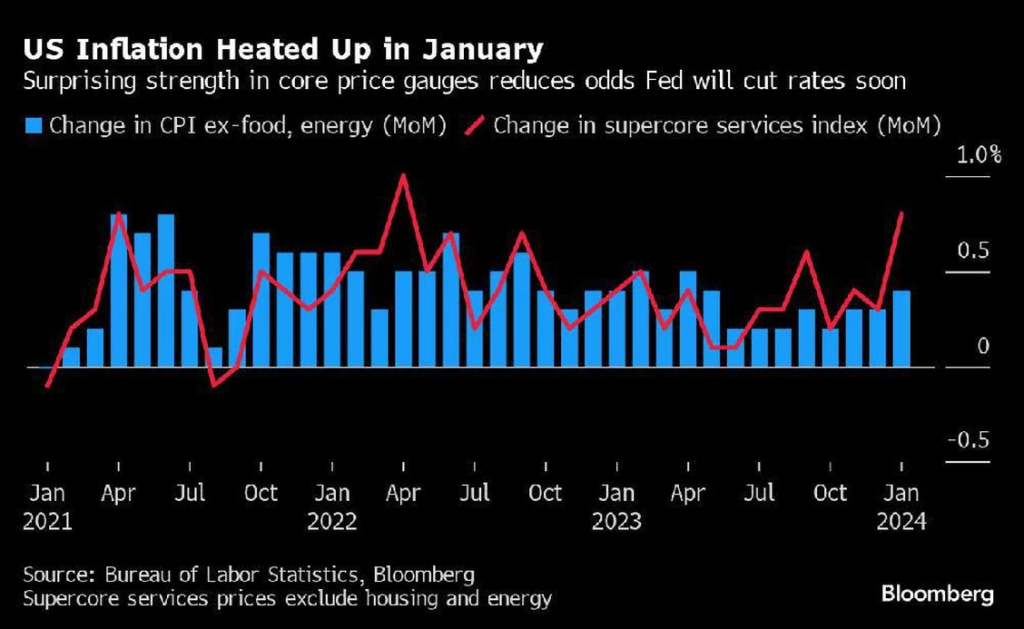
The revelation of the latest Consumer Price Index (CPI) figures from the United States has sent ripples across global financial markets, touching economies far and wide, including Canada’s real estate and mortgage sectors. The CPI, an essential barometer for inflation, tracks the average price trajectory for a basket of goods and services, offering insights into economic health and consumer spending power. This recent data release from the U.S. has reignited discussions around monetary policies, interest rates, and their intertwined effects on the mortgage markets abroad, particularly in Canada.
The U.S.-Canada Economic Symbiosis
The economic ties between Canada and the United States are both deep and broad, making the U.S. not only a primary trade partner but also a pivotal influence on Canadian economic policies. As such, pivotal economic indicators like the U.S. CPI can significantly sway Canada’s financial climate, impacting everything from commodity prices to the mortgage rates homeowners and buyers face.
The connection hinges on several factors. For starters, changes in U.S. inflation can affect global prices for commodities, directly impacting the Canadian economy, heavily reliant on its natural resources. Furthermore, the Federal Reserve’s strategies in response to CPI figures—often adjusting interest rates—can influence the Canadian dollar’s strength and guide the Bank of Canada’s policy directions.
Mortgage Markets in the Wake
The U.S. CPI announcement’s direct fallout is most visible in the ebb and flow of mortgage rates. An unexpected uptick in U.S. inflation can lead to speculation around the Federal Reserve tightening its grip on monetary policy, aiming to temper economic heat. This speculation can push up bond yields, which are a benchmark for setting mortgage rates in Canada, potentially making loans more expensive for Canadian households.
Additionally, a stronger U.S. dollar, buoyed by the anticipation of higher interest rates, can make imports pricier, inadvertently fuelling inflation in Canada.
Beyond Immediate Impacts
The repercussions of U.S. CPI data extend beyond mere numbers, influencing the confidence levels of consumers and investors alike. High inflation might signal robust economic activity, yet it also raises alarms over escalating living costs and diminishing purchasing power. For Canadians eyeing the mortgage market, this could translate into heightened caution, potentially dampening demand for mortgages and real estate investments.

On a brighter note, effective management of inflation by the U.S. without stifling economic growth could spell positive outcomes for the Canadian economy. A stable U.S. economy promotes trade and investment fluidity between the neighbours, underpinning Canada’s economic expansion and fostering a conducive environment for the mortgage sector.

The recent unveiling of U.S. CPI data underscores the intricate economic interplay between the United States and Canada, particularly in the realm of mortgage rates and real estate dynamics. For stakeholders within Canada’s mortgage landscape, staying abreast of such international economic developments is essential. While the immediate effects on mortgage rates are more visible, the broader economic waves highlight the need for a nuanced understanding of global economic indicators. As Canada’s mortgage market continues to evolve, navigating these international influences will be key to strategic decision-making and future-proofing investments.